


Picking a help desk platform gets harder every year. New AI features roll out monthly, and pricing tiers shift. The tool your team chose two years ago may no longer fit your budget or workflow.
This article compares Zendesk competitors and alternatives. Whether you use Zendesk today or are shopping for a first platform, you deserve a clear picture before signing a contract.
Key takeaways:
- Zendesk remains a strong all-around pick, but it is not the cheapest or the simplest option on the market.
- Some companies with similar capabilities trade a wider integration library for a lower price tag or a faster setup.
- Pricing, AI depth, and channel coverage are the three factors that separate most alternatives.
- The right pick depends on team size, budget, and how much automation you actually need.
Zendesk currently runs on more than 113,700 live business domains worldwide, according to a September 2026 usage scan. That scale makes it one of the most recognized help desk brands, but recognition is not the same as fit for every team.
What Is Zendesk?
Zendesk is a cloud-based customer service platform built around a ticketing system, a knowledge base, and messaging tools for email, chat, voice, and social channels. It connects with Salesforce, Google Analytics, and Shopify, among hundreds of other apps. A closer look at its pros and cons helps explain why so many teams start their search here before comparing alternatives.
Companies like Zendesk build cloud-based ticketing systems that centralize support requests from every channel into one queue. The Zendesk competition includes dozens of platforms, from lightweight tools built for five-person teams to enterprise suites with hundreds of integrations.
That range is exactly why comparing Zendesk competitors and alternatives upfront matters more than picking the first familiar name.
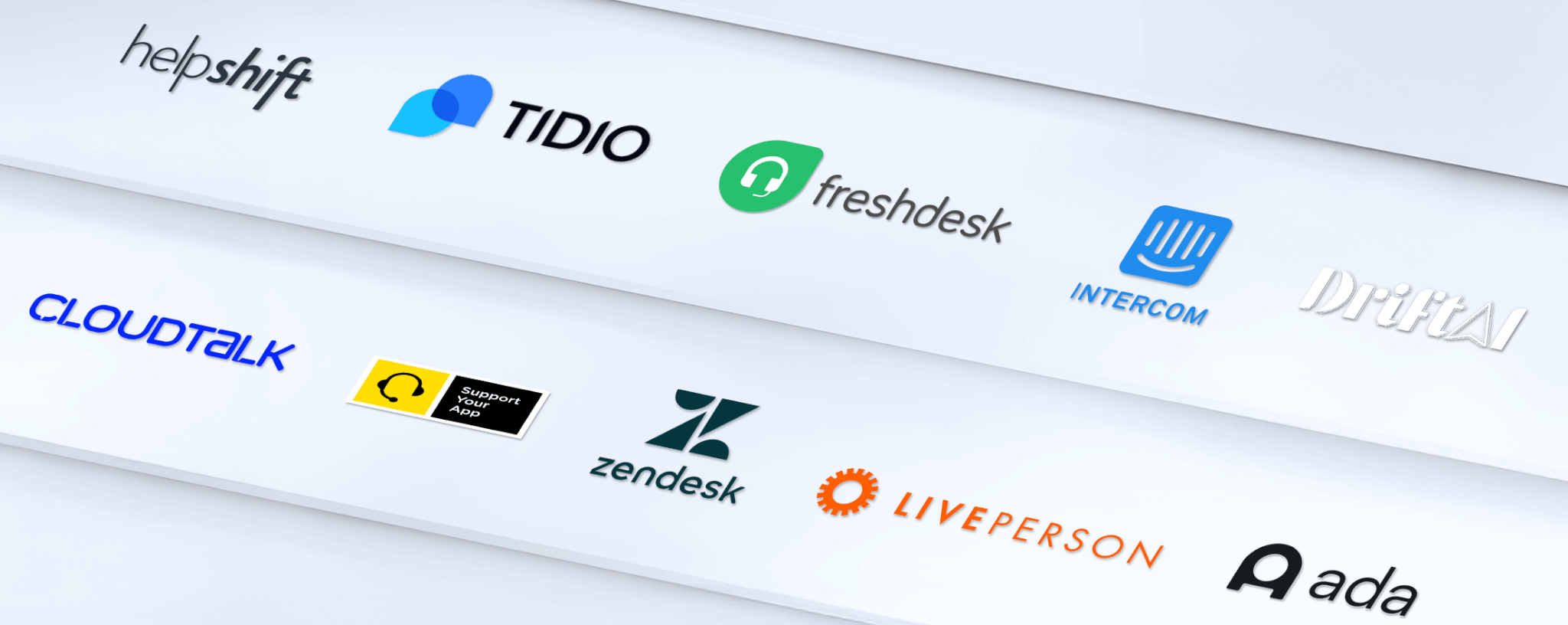
Among the better-known names in this space are Freshdesk, Help Scout, LiveAgent, and SupportCRM. Before comparing them directly, it helps to look at what Zendesk does well and where teams tend to hit friction.
What Zendesk Can (and Can't) Do for Growing Teams
Zendesk covers most of the basics a support team needs: automation, prioritization, and multi-channel coverage. The sections below break down where it performs strongly and where the platform's limits start to show.
Canned Responses and Automation
Pre-built response templates and AI-suggested replies help agents handle repetitive questions faster. Zendesk’s CX Trends 2026 report found that 74% of consumers now expect 24/7 customer service because of AI, and 88% expect faster responses than they did a year earlier.
Zendesk's automation tools meet that bar for most teams. Cheaper platforms can offer canned responses too, so this feature alone rarely decides a purchase.
Ticket Prioritization
Sorting tickets by urgency and difficulty keeps response times predictable. Zendesk supports rule-based prioritization, and some competitors built simpler, more flexible versions of the same workflow.
A support team that handles a narrow range of ticket types may find a lighter tool easier to configure than Zendesk's full rule engine.
Channel Coverage
Customers don't all want to reach support the same way. Some prefer live chat, others pick up the phone, and plenty still send an email. Zendesk covers all three, plus social messaging apps like WhatsApp and Instagram.
Not every alternative matches that breadth. Teams that only need email and chat can often find a narrower, cheaper tool without losing functionality they actually use.
Zendesk Pricing in 2026
Zendesk's plans are priced per agent, per month, billed annually. Monthly billing runs roughly 20 to 30% higher across every tier.
| Plan | Price (billed annually) | Best for |
| Support Team | $19/agent/month | Small teams handling email-only support |
| Suite Team | $55/agent/month | Growing teams that need omnichannel and AI agents |
| Suite Professional | $115/agent/month | Teams that need HIPAA compliance and skills-based routing |
| Suite Enterprise | Custom pricing | Large organizations with multi-brand operations |
Add-ons like advanced Copilot tools and workforce management sit on top of these prices, which can push the real cost well past the sticker price.
Top Zendesk Competitors and Alternatives
Here is a look at the top Zendesk competitors worth evaluating this year. Each one is compared on pricing, feature depth, and setup time.
Freshdesk
Freshdesk is one of the closest matches to Zendesk in functionality. Teams that have used both platforms often say Freshdesk's interface is more intuitive, and its social media integration is stronger out of the box.
Pricing sits close to Zendesk's, so the decision usually comes down to interface preference rather than cost.
Help Scout
Help Scout targets small businesses that are not planning to scale a large support team. Teams looking for companies similar to Zendesk but with a lighter setup often start with Help Scout. It is faster to configure and easier for new agents to learn.
The trade-off is depth. Help Scout offers fewer advanced routing and reporting tools than larger platforms.
LiveAgent
LiveAgent undercuts Zendesk on price while matching much of its core functionality. Plans start well below Zendesk's entry tier, and the platform includes a customer portal that some competitors charge extra for.
Customization is a strong point here, making LiveAgent a common pick for teams that want more control over workflows without an enterprise budget.
SupportCRM by SupportYourApp
SupportCRM unifies email, voice, and chat into a single agent workspace, so teams stop switching between tools mid-conversation. It pairs with SupportResponse, an autonomous AI agent that resolves routine tickets end-to-end. Together, they cover both the workspace and the automation layer that Zendesk splits across separate products.
Some teams outsource part or all of their support function instead of building one in-house. These teams often pair SupportCRM with a dedicated team through help desk outsourcing. One IT help desk provider that made this switch saw a 96% increase in ticket resolution within months.
Zendesk Pros and Cons
| Pros | Cons |
| Omnichannel support in a single platform | Pricier than most smaller competitors |
| Deep integration library, including Salesforce and Shopify | No desktop application |
| AI-powered answer bot and knowledge base search | Setup can feel complex for small teams |
| Strong ticketing and workflow automation | Core features are easy for competitors to match |
| Detailed reporting and analytics | Basic customization on lower-tier plans |
Zendesk works well for businesses with defined, stable support needs. Companies planning rapid scaling may want to compare pricing and flexibility against a smaller platform first.
How to Find the Best Zendesk Alternatives for Your Team
Start with the problem you are actually solving. A team drowning in repetitive questions needs strong automation more than a wide integration library. A team juggling five communication channels needs breadth over depth. Growing SaaS customer support teams tend to feel this trade-off first, since ticket volume and channel count both climb as the product scales.
Budget matters just as much as features. Suite plans move fast once add-ons like Copilot and workforce management stack on top. Price out your expected agent count before comparing platforms line by line.
Finally, weigh setup time against your team's bandwidth. A platform with a shorter learning curve gets your team back to answering customers faster, even if it has a smaller feature set than Zendesk.
If you are moving off Zendesk entirely, a step-by-step migration guide can help you avoid losing ticket history or breaking automations mid-switch. Weighing Zendesk competitors and alternatives against your actual ticket volume, not just their marketing pages, is the step most teams skip and later regret.