


Picking a help desk on a tight budget is a slog. Every vendor promises omnichannel support at a fair price. Few deliver both. This LiveAgent review is for small and mid-sized teams making that call. It shows what each plan includes and where extra fees creep in. You'll know where it fits.
Key takeaways
- LiveAgent suits small teams that want tickets and live chat in one inbox without paying enterprise prices for every seat.
- The entry plan looks cheap, but social channels and WhatsApp sit behind add-ons or higher tiers, so budget for them early.
- Most CRM links run through Zapier rather than native connectors, so the workflow behind them needs careful testing.
- Larger teams with heavy routing and reporting needs tend to outgrow it and should trial Zendesk before they commit.
What Is LiveAgent Software?
LiveAgent holds a 4.5 out of 5 rating across 1,532 reviews on G2, and 67.3% of those reviewers work at small businesses. That split says plenty. The tool is an omnichannel help desk that turns emails, chats, calls, and social messages into tickets in one shared inbox.
Most LiveAgent reviews praise that single view. Agents stop hopping between tabs, and managers see every open conversation on one dashboard. The same feedback on G2's pros and cons page flags a learning curve. The settings run deep. New hires need proper training before they move fast.
LiveAgent Features
The feature list is long, and most of it ships on every paid plan. Small teams benefit most. Below are the parts that shape daily work for agents and team leads, with a note wherever an extra only unlocks on a higher tier.
Ticket Management
Every incoming message becomes a ticket with its own ID and history. Automation rules route it to the right agent or department. Context stays with the ticket. Teammates can add tags or private notes, and agent collision detection stops two people from answering the same customer twice.
Live Chat and Email
The chat widget lets agents greet visitors with proactive invitations before they ask for help. Email runs through the same ticketing flow, so each message lands with the agent who owns the thread. Customers don't repeat themselves. That matters when they switch from chat to email halfway through a problem.
AI Tools
LiveAgent now bundles AI features into every plan, from an AI chatbot to an answer assistant that drafts agent replies. Newer tools triage tickets and summarise long threads. Setup still takes work. From Medium up, LiveAgent includes a full AI agent setup. For this LiveAgent review, that stood out most.
LiveAgent Integrations
Integrations decide whether a help desk fits your stack or fights it. LiveAgent connects natively with common small-business tools and covers the rest through its API. Every paid plan includes API keys at no extra cost. That keeps custom work cheap.
Slack, Mailchimp, WordPress, and Shopify
Slack notifications arrive whenever a new ticket or customer reply comes in. Mailchimp connects too. The WordPress plugin adds a chat button without touching code, and Shopify stores can link their shop. That suits eCommerce teams. Order questions stay in one conversation instead of scattering across the store admin.
LiveAgent CRM Integration Options
Sales and support share customers, so the CRM link matters. LiveAgent reaches tools like Salesforce and HubSpot mainly through Zapier and similar automation platforms. That route works fine. It also adds another subscription and another point of failure, so test every trigger before rollout.
Workflow design matters more than the connector. In our HubSpot Service Hub case study, a cybersecurity platform's SLA alerts skipped from three hours to 48, so stalled tickets sat unflagged. Our help desk integration and migration team added a 24-hour safety net. The backlog fell from 3,098 tickets to under 25.
LiveAgent Plans and Costs in 2026
LiveAgent dropped its free plan and now sells four paid tiers. Each comes with a 30-day trial and no credit card needed. Annual billing saves a few dollars per seat. Monthly billing costs more. It suits teams still testing the tool, since you can cancel any time.
LiveAgent plans at a glance
| Plan | Annual billing (per agent/month) | Monthly billing (per agent/month) | Best for |
| Small | $15 | $19 | Ticketing and chat for small teams |
| Medium | $29 | $35 | Adding a call centre, IVR and SLA rules |
| Large | $49 | $59 | Social channels and WhatsApp included |
| Enterprise | $69 | $85 | A dedicated account manager and priority support |
For most teams, live agent pricing lands on Medium or Large. Small covers email and chat only. Medium adds the call centre and SLA rules, which is where support starts to feel managed instead of improvised. Growing teams usually stop there.
Add-Ons That Raise the Bill
Add-ons change the maths. On Small and Medium, Facebook and X cost $39 a month each, and Instagram needs Facebook plus another $19. WhatsApp runs only through Twilio or 360dialog. It costs $39 a month on the lower tiers too.
Take five agents on Medium at $145 a month. Add Facebook with Instagram for $58, then WhatsApp for $39, and you're at $242. Large costs $245 for the same team. The gap nearly disappears. Large also brings the audit log for three dollars more.
LiveAgent Alternatives Worth Comparing
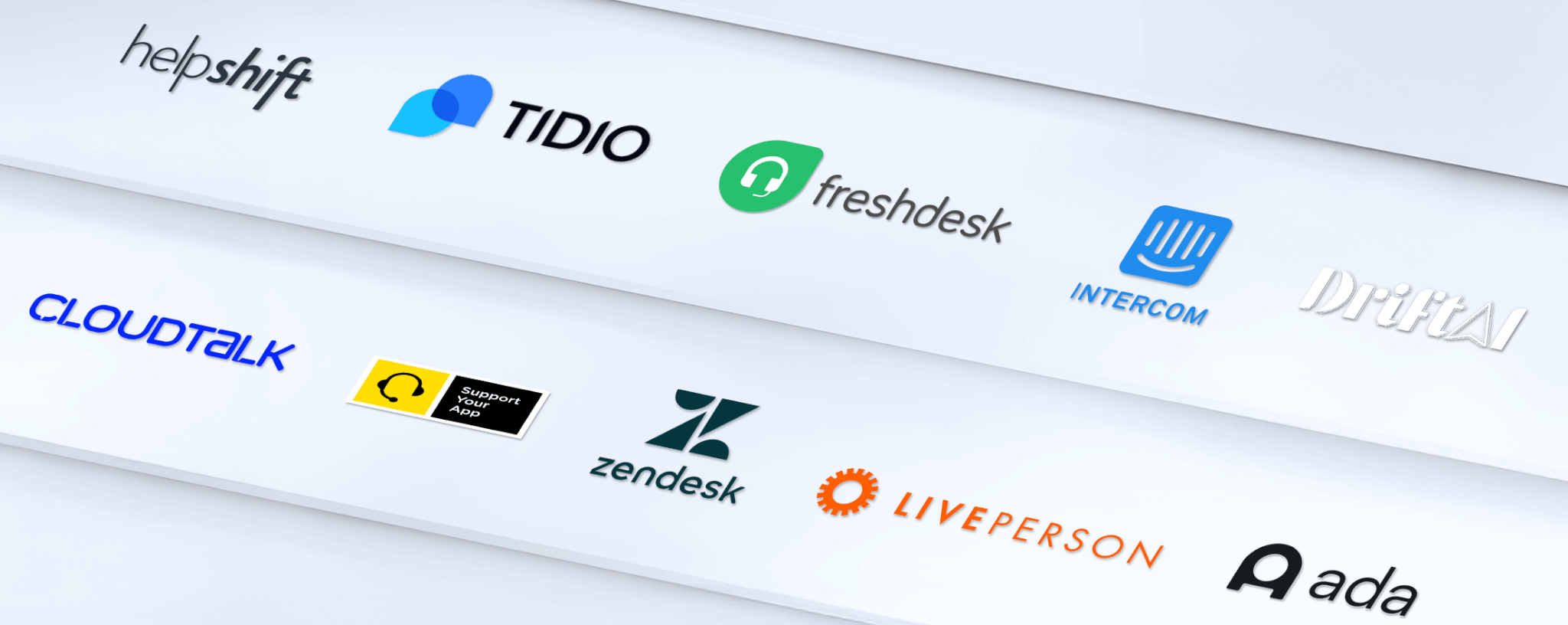
Every help desk wins somewhere, and LiveAgent's rivals win in specific places. Price and reporting depth usually decide it. Our guide to the best help desk software for customer support covers a much wider field. Three options come up often.
How It Compares With Zendesk
Zendesk costs more per seat. Its Suite Team plan sits at $55 per agent a month on annual billing, and Suite Professional jumps to $115. That's a steep climb. In return you get deeper routing and stronger analytics for large queues.
Team size usually settles it. Small teams feel the price gap most, while bigger operations often find that Zendesk's reporting earns its fee. Our Zendesk pros and cons breakdown helps with any LiveAgent vs Zendesk call. Read it before signing.
Freshdesk
Freshdesk's email-first plans start at $19 per agent for Growth and $55 for Pro on annual billing. That puts Growth close to LiveAgent's Small tier. Live chat needs the separate Freshdesk Omni line, though, which costs more per agent. Check which product you're quoting.
SupportCRM
SupportCRM is SupportYourApp's own unified inbox. It brings email and voice into the same agent workspace as chat. We built it in-house. That lets our team adjust it when a client's workflow needs something off-menu, instead of waiting on a vendor's product roadmap.
LiveAgent Review: Pros and Cons
Every tool has trade-offs. The table below sums up where LiveAgent shines and where users hit friction. It draws on the plan limits covered above and on recurring themes in user reviews on Capterra. Weigh each row against your own workflow.
LiveAgent pros and cons
| Pros | Cons |
| Tickets, chat, calls and social messages in one inbox | The interface feels dated and busy at first |
| Low entry price per agent | Social channels cost extra below the Large plan |
| AI tools on every plan | WhatsApp needs Twilio or 360dialog |
| API keys and integrations at no extra cost | HubSpot connects through third-party tools |
| A 30-day trial with no card required | Reporting feels limited for big teams |
Is LiveAgent Good for Teams of Every Size?
It depends on headcount. LiveAgent fits small and mid-sized teams that want one inbox for tickets and chat at a fair price. Startups get a lot for $15 or $29 a seat. Fast-growing teams with heavy routing needs outgrow it sooner.
The software is only half the job. Someone still answers the tickets. If your queue is outpacing your team, help desk outsourcing gives you trained agents inside your chosen tool. Social media customer service covers the channels LiveAgent charges extra for.